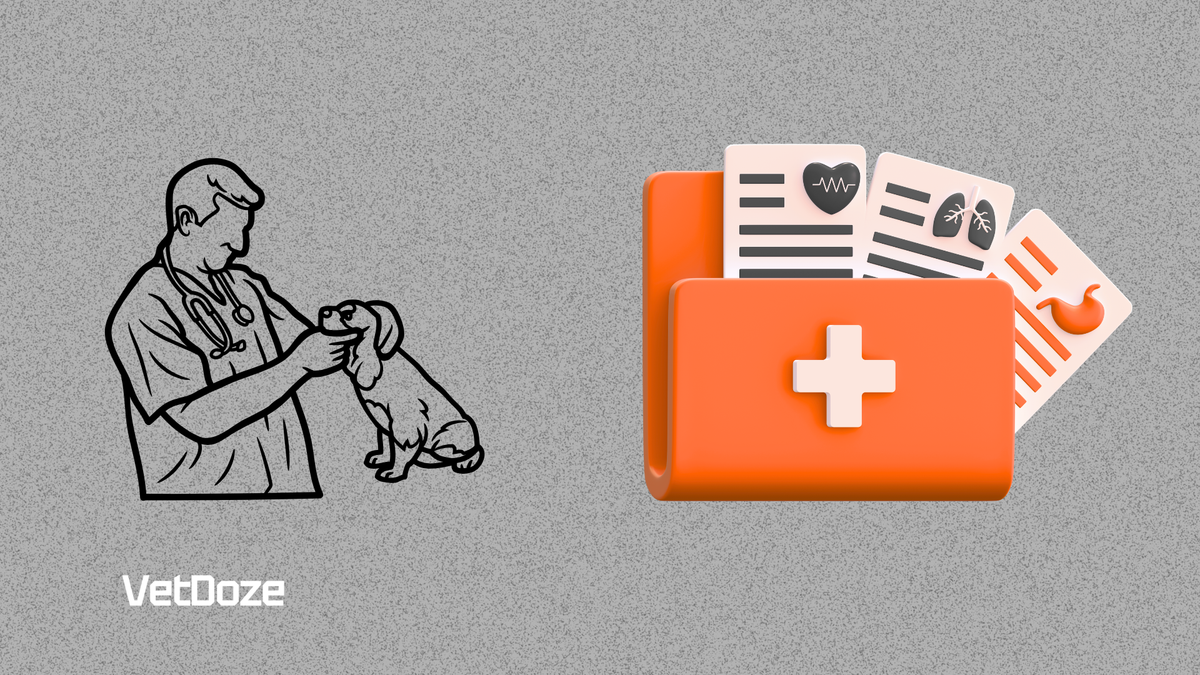
The Importance of Veterinary Record Management and Modern Methods to Simplify It
Published on July 6, 2025
Effective record management is the backbone of a well-functioning veterinary practice. Whether you're treating a beloved family pet or managing herd health on a farm, having organized, accurate, and easily accessible records can make all the difference. In this article, we'll explore why veterinary record management is essential and how modern tools and strategies can streamline the process.
1. Why Veterinary Record Management Matters
Veterinary records are more than just files—they are legal documents, medical histories, and communication tools all in one. Good recordkeeping improves patient outcomes, enhances client trust, and ensures compliance with regulations. It also supports continuity of care, especially when patients see multiple veterinarians or require long-term treatments.
2. Common Challenges in Veterinary Recordkeeping
Despite its importance, many clinics still struggle with issues like disorganized paper files, incomplete data entry, or lack of standardization. These inefficiencies can lead to miscommunication, medical errors, or lost revenue due to unbilled services. In fast-paced environments, it's easy for critical information to slip through the cracks.
3. Digital Solutions: A Game Changer
One of the most impactful ways to improve record management is through the use of veterinary software. Cloud-based systems allow real-time access to patient records, enable digital prescriptions, and integrate with other tools like appointment reminders and billing systems. Platforms like VetDoze are tailored specifically for veterinary workflows, offering intuitive features like:
- Patient history tracking
- Medication dose calculators
- Treatment plan templates
- Visit reminders via SMS
4. Best Practices for Organizing Veterinary Records
To maintain high standards of care and efficiency, practices should follow these guidelines:
- Use consistent formats for record entries
- Document every interaction, treatment, and prescription
- Keep records updated in real time
- Store backups securely, especially for digital systems
- Regularly audit records for completeness and accuracy
5. Benefits of a Well-Managed Record System
When veterinary records are well managed, practices experience:
- Faster patient intake and follow-up
- Better clinical decision-making
- Enhanced communication with clients
- Legal protection in case of disputes
- More efficient team workflows
Ultimately, investing time and tools into recordkeeping pays off in smoother operations and improved care quality.
6. How VetDoze Can Help
VetDoze is designed to simplify recordkeeping for veterinarians and students alike. Whether you’re in a solo practice or a busy clinic, VetDoze helps you:
- Create detailed digital case files
- Track patient visits and history
- Schedule follow-ups with SMS notifications
- Calculate medication dosages accurately
- Generate treatment plans and prescriptions
With VetDoze, you not only save time but also ensure your records are complete, professional, and ready for any future needs.