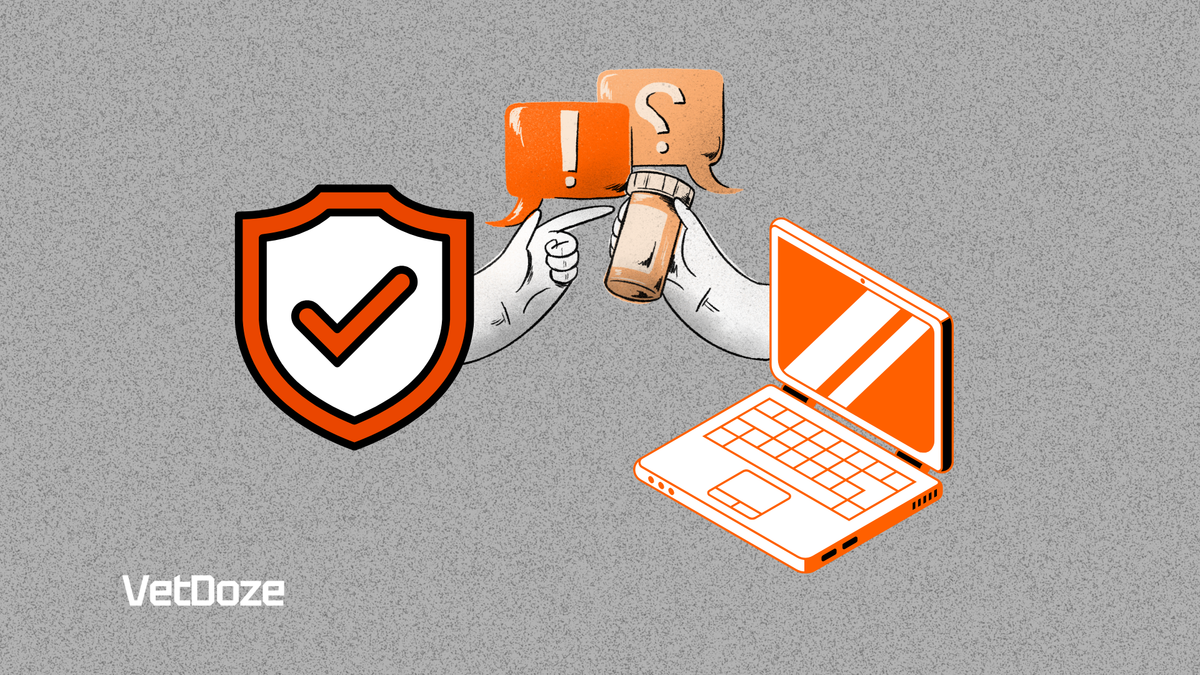
How Digital Tools Are Changing Drug Safety in Veterinary Clinics
Published on June 11, 2026
Every veterinarian knows that prescribing medication is rarely as simple as choosing a drug and writing a dose. Different species, breeds, ages, body weights, and medical conditions can significantly influence treatment decisions. In such a complex environment, even experienced professionals can face challenges that increase the risk of medication errors.
Fortunately, digital technology is transforming the way veterinary clinics approach drug safety.
Why Drug Safety Matters
Medication errors can occur at various stages of patient care. Common examples include:
- Incorrect dose calculations
- Confusing drugs with similar names
- Selecting the wrong administration route
- Missing species-specific contraindications
- Drug interactions that go unnoticed
Unlike human medicine, veterinary professionals treat multiple species with unique physiological differences. A medication that is perfectly safe for one animal may be dangerous for another.
This complexity makes drug safety a critical aspect of modern veterinary practice.
The Shift from Paper to Digital Systems
Traditionally, veterinarians relied on textbooks, handwritten notes, and personal experience to make prescribing decisions. While these resources remain valuable, they may not always provide the speed and consistency needed in a busy clinic.
Digital tools can centralize important information and make it accessible within seconds. Instead of searching through multiple references, veterinarians can quickly verify:
- Recommended dosages
- Approved routes of administration
- Species-specific precautions
- Drug interactions
- Treatment calculations
This reduces the cognitive workload during busy clinical hours.
Reducing Dosage Calculation Errors
One of the most common medication mistakes involves dosage calculations.
A small mathematical error can lead to underdosing, which may reduce treatment effectiveness, or overdosing, which could harm the patient.
Digital dosage calculators help veterinarians by automatically converting body weight into appropriate medication doses according to established guidelines. This not only saves time but also adds an extra layer of safety.
Better Prescription Management
Digital prescription systems do more than create professional-looking documents.
They can:
- Store patient medication history
- Track previous treatments
- Generate standardized prescriptions
- Reduce handwriting-related misunderstandings
- Improve communication with pet owners
Having a complete medication history readily available also helps avoid duplicate therapies and potential drug interactions.
Supporting Veterinary Teams
Drug safety is not solely the responsibility of veterinarians. Veterinary nurses, technicians, and support staff all play important roles in patient care.
Digital platforms allow the entire team to access consistent and up-to-date information, reducing communication gaps and improving workflow efficiency.
When everyone works from the same reliable data, the likelihood of errors decreases.
Data-Driven Decision Making
Modern veterinary software can also help clinics identify trends over time.
For example, practices may monitor:
- Frequently prescribed medications
- Common treatment protocols
- Inventory usage
- Repeat prescriptions
- Adverse drug events
These insights support better clinical and business decisions.
The Future of Veterinary Drug Safety
Technology will never replace clinical judgment, experience, or the veterinarian-patient relationship. However, it can serve as a powerful assistant that reduces routine errors and supports evidence-based medicine.
As veterinary medicine continues to evolve, digital tools are becoming an essential part of safer and more efficient patient care.
Integrated veterinary platforms such as VetDoze bring together essential clinical tools including drug dosage calculators, prescription management, patient records, fluid therapy calculations, and treatment planning—into a single workflow. By reducing manual calculations and keeping critical information easily accessible, these digital solutions can help veterinary teams improve efficiency while enhancing medication safety and patient care.
The goal is simple: helping veterinary teams spend less time worrying about calculations and paperwork, and more time focusing on what matters most the health and well-being of their patients.